

OCD, Anxiety & Trauma Therapy | Stephen Gravois, LPC
GRAVOIS COUNSELING
OCD, Anxiety & Trauma Therapy | Stephen Gravois, LPC
Bridging Fear & Freedom
You can live life free from the overwhelming weight of anxiety, OCD, and stress — not just survive.
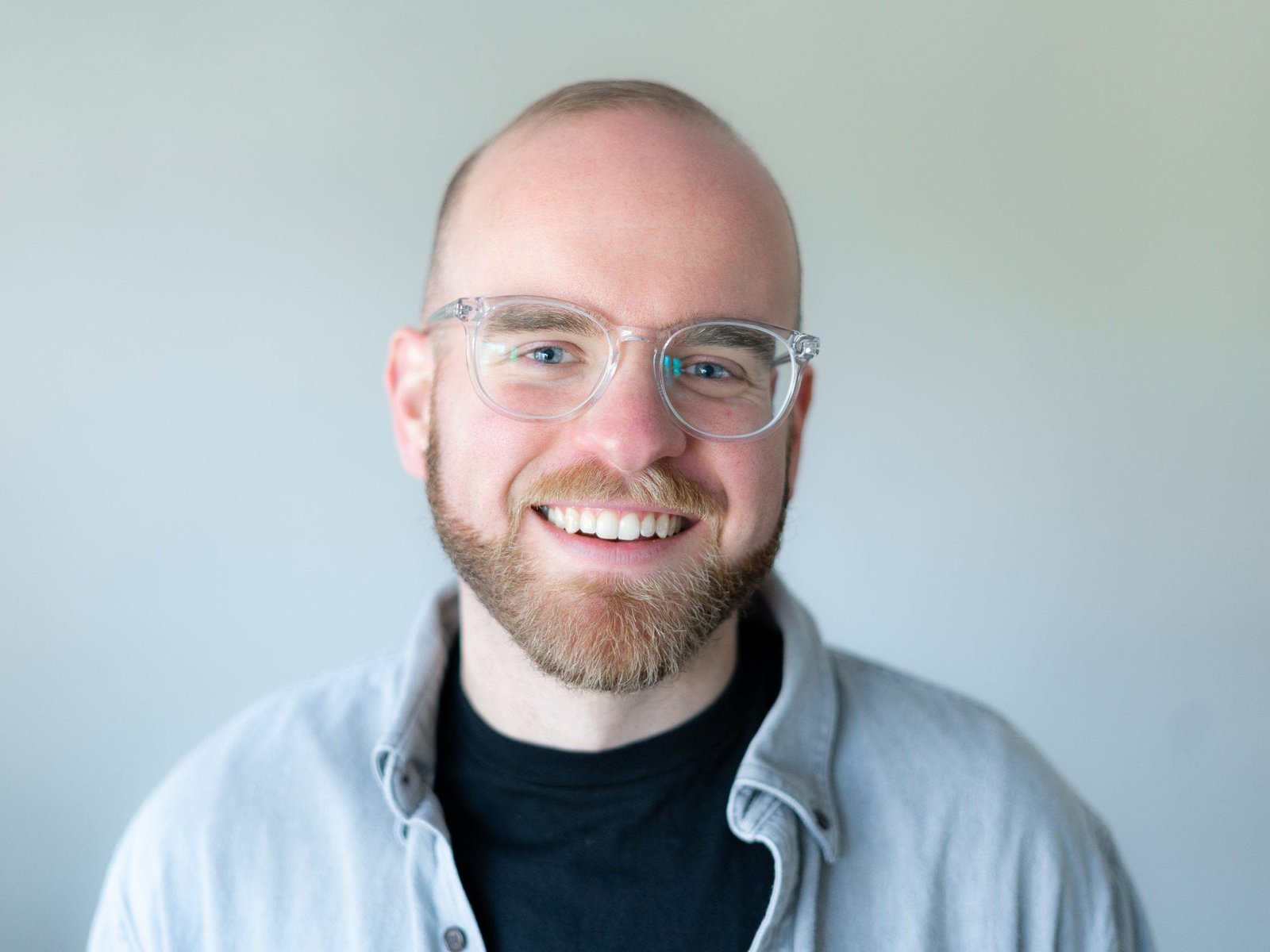
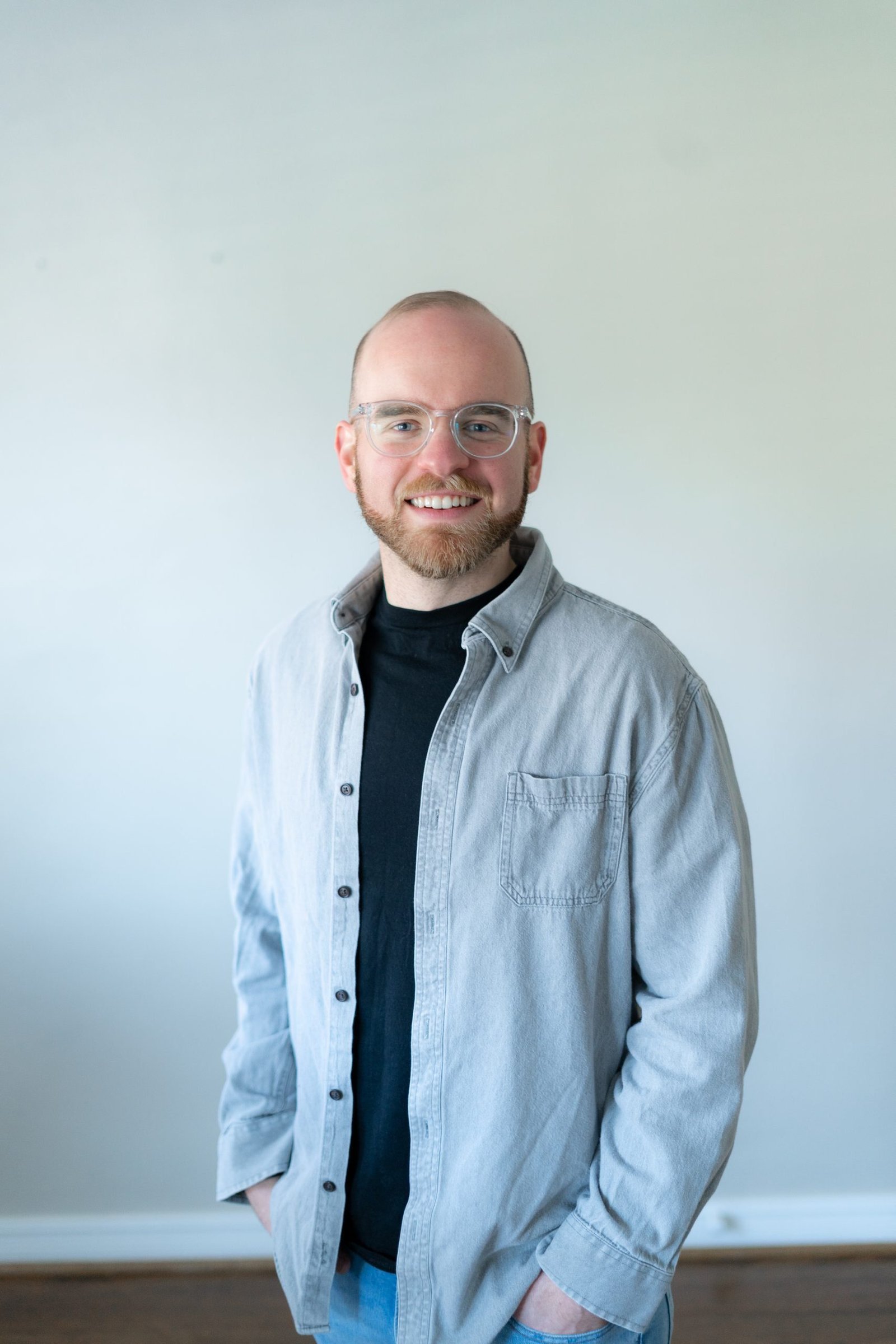
Welcome! I'm Stephen
As an experienced OCD therapist, I specialize in providing effective OCD treatment, including ERP therapy (Exposure Response Prevention). I help with intrusive thoughts, obsessive patterns, and anxiety using evidence-based approaches in OCD therapy or anxiety counseling.
- Licensed in Colorado and Texas.
- BTTI Trained by the International OCD Foundation.
I'm here to support you. Taking this first step shows incredible courage in prioritizing your mental and emotional well-being, and I'm proud of you for reaching out.
My Specialties
Professional Counseling for OCD, anxiety & trauma.
Evidence-based therapy for obsessive-compulsive disorder, including specialized techniques to manage intrusive thoughts and compulsive behaviors.
Gold-standard treatment for OCD that helps you learn to tolerate anxiety without engaging in compulsions, leading to lasting freedom from obsessive patterns.
Comprehensive treatment for generalized anxiety, social anxiety, panic disorder, and specific phobias using cognitive-behavioral techniques.
Blog
Learn more

What Others Are Saying
Testimonials from Psychology Today

Stephen has a warm demeanor and kind heart. His knowledge of OCD and how to best treat it is immense. I have turned to Stephen myself time for best practices with OCD and anxiety!
Meredith C.
Therapist

Stephen is an excellent counselor with a warm and welcoming demeanor. He is knowledgeable and skilled in his specialties and provides a safe and non-judgemental therapeutic environment. I count him as an invaluable colleague!
Kristen D.
Therapist

Stephen is an amazing therapist who shows compassion and kindness immediately. Clients are immediately at ease when they walk in his office. I cannot recommend him enough.
Liana K.
Therapist

Stephen is awesome! He is a skilled, experienced, and excellent counselor who will ensure that you receive the proper treatment and care as you seek to accomplish your goals. If you are seeking counseling (especially for OCD), look no further than Stephen!
Bob G.
Therapist

OCD and Anxiety Therapy Specialties
You can live life free from the overwhelming weight of anxiety, OCD, and stress — not just survive.
My Specialties
OCD and Anxiety Therapy Specialties
Obsessive-Compulsive Disorder (OCD) is a mental health condition characterized by persistent, unwanted thoughts (obsessions) and repetitive behaviors or rituals (compulsions) that an individual feels driven to perform. These obsessions and compulsions can significantly interfere with daily life and cause considerable distress.
Exposure Response Prevention (ERP) is a therapeutic technique used to treat OCD by gradually exposing individuals to their fears while preventing the usual compulsive responses. This process helps to reduce anxiety and break the cycle of obsessions and compulsions, leading to long-term relief and improved coping strategies.
Body Focused Repetitive Behaviors (BFRBs) are compulsive behaviors that involve repeatedly damaging one's own body, such as hair pulling, skin picking, or nail biting. These behaviors can cause significant physical harm and emotional distress, often impacting an individual's daily life and well-being.
Body Focused Repetitive Behaviors
Specialized support for hair pulling, skin picking, nail biting, and more body focused repetitive behaviors
01
What Are BFRBs?
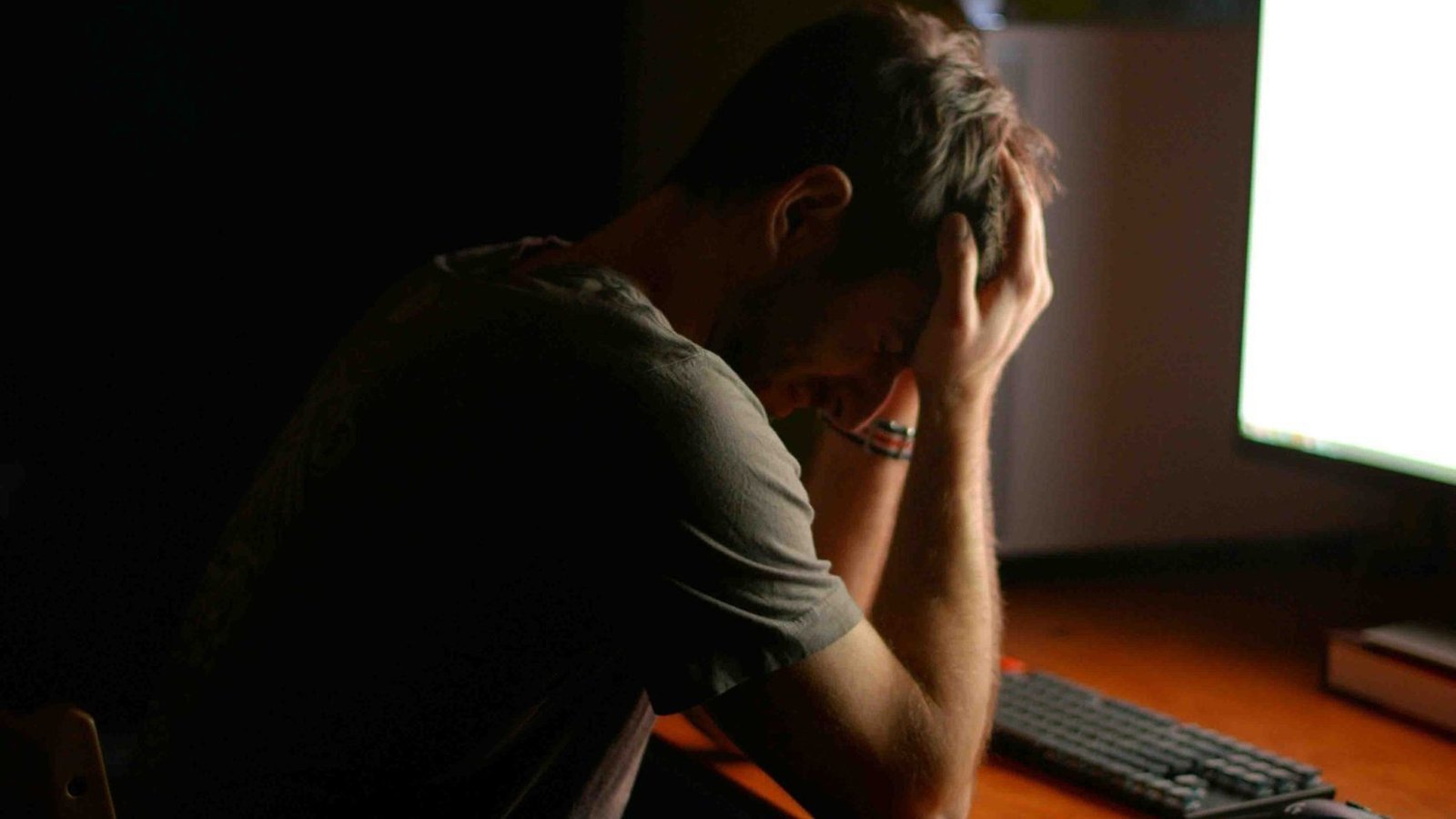
Have you ever found yourself pulling your hair, picking at your skin, or biting your nails—especially during stressful or idle moments? These behaviors, known as Body-Focused Repetitive Behaviors (BFRBs), go far beyond habits. They include conditions like trichotillomania (hair pulling), dermatillomania (skin picking), and onychophagia (nail biting). While they can begin as ways to manage discomfort or anxiety, they often become compulsive and hard to stop—causing emotional distress, physical harm, and feelings of shame or frustration.
02
You’re Not Alone, And It’s Not Just About Willpower
Many people with BFRBs feel stuck—wanting to stop, but unable to resist the urge. You might feel embarrassed, misunderstood, or believe you “should just have more control.” But BFRBs are not a matter of discipline or weakness. They’re real conditions that deserve real care. You are not broken—and you are not alone. With the right support, it’s possible to understand your behaviors, reduce the urge, and reconnect with a sense of peace in your own body.
03
How Therapy Can Help
Therapy for BFRBs is about more than stopping a behavior—it’s about healing what’s underneath. In our work together, we’ll explore emotional triggers, challenge shame-based thinking, and learn new ways to manage stress and anxiety. Using evidence-based approaches like habit reversal training, CBT, and mindfulness-based techniques, we’ll build a personalized path toward relief. You’ll gain tools to shift behavior with compassion and rebuild trust in yourself—one step at a time.
Obsessive-Compulsive Disorder (OCD) Therapy
Specialized support for intrusive thoughts, compulsions, and anxiety relief

01
What is OCD?
Do you struggle with intrusive thoughts that feel impossible to control? Do repetitive behaviors or mental rituals take over parts of your day? Obsessive-Compulsive Disorder (OCD) is a mental health condition marked by persistent, unwanted thoughts (obsessions) and the urge to perform certain behaviors (compulsions) to reduce anxiety. These cycles can become overwhelming and disruptive—affecting work, relationships, and overall peace of mind. While OCD can feel exhausting, help is available—and healing is possible.
02
You’re Not Alone, And There Is Hope
Living with OCD can feel incredibly isolating, especially when others don’t understand what you're going through. You may feel ashamed of your thoughts or trapped by your rituals. But OCD is not your fault, and you're not alone. Many people experience this condition—and many recover with the right support. I offer a safe, nonjudgmental space and evidence-based therapy to help you understand your symptoms, reduce compulsions, and reclaim your sense of calm and control.
03
How Therapy Can Help
One of the most effective treatments for OCD is Exposure and Response Prevention (ERP)—a structured therapy that helps you face fears gradually without relying on compulsions. I combine ERP with Cognitive Behavioral Therapy (CBT) and other proven techniques to help you build tolerance, reduce avoidance, and regain flexibility in your thoughts and actions. Together, we’ll work at your pace toward freedom from OCD—not by eliminating all thoughts, but by changing your relationship to them.
Anxiety Therapy in Texas & Colorado | Stephen Gravois, LPC
Specialized support for anxiety, fear, and constant worry

01
What is Anxiety?
Do you struggle with constant worry or find it difficult to relax? Anxiety can show up in many ways—racing thoughts, restlessness, trouble concentrating, or physical symptoms like a rapid heartbeat or shortness of breath. These experiences can make daily life feel exhausting and unpredictable. But anxiety is treatable, and help is available.
02
You’re Not Alone, And There Is Hope
Living with anxiety can be isolating, especially when it feels like others don’t understand what you’re going through. You may feel like you’re always on edge or preparing for the worst. But you don’t have to face this alone. I offer a safe, supportive space where we can explore your experiences together. With the right tools and strategies, you can find relief and begin to feel like yourself again.
03
How Therapy Can Help
I offer evidence-based approaches—like Cognitive Behavioral Therapy (CBT), mindfulness techniques, and EMDR—to help reduce symptoms, identify triggers, and build resilience. Together, we’ll work to quiet the noise of anxiety and help you move forward with clarity and confidence. The goal isn’t to eliminate all worry, but to change your relationship with it.

Exposure and Response Prevention Therapy | Stephen Gravois, LPC
Evidence-based care to help you break free from the OCD cycle

01
What is ERP?
Exposure and Response Prevention (ERP) is a type of Cognitive Behavioral Therapy (CBT) and the most effective treatment for Obsessive-Compulsive Disorder (OCD). ERP helps you face fears gradually and intentionally—without engaging in rituals or avoidance—so you can retrain your brain and reduce anxiety over time.
02
How ERP Works
Together, we’ll identify the specific thoughts, situations, or objects that trigger your obsessions. Then we’ll build a hierarchy of those fears and start exposure exercises, beginning with the least distressing. Each step helps you build tolerance and confidence—reducing the power OCD has over your life.
03
Sustaining Your Progress
As you move up your exposure hierarchy and grow more comfortable resisting compulsions, we’ll focus on maintaining progress through continued practice. Mindful awareness of triggers and routine exposure techniques are key to long-term success and relapse prevention.
Trauma Therapy | Stephen Gravois, LPC | EMDR & PTSD Support
Supportive, evidence-based therapy for healing from trauma and PTSD

01
What Is Trauma?
Trauma can take many forms—whether from a single event or prolonged experiences—and may show up as flashbacks, nightmares, emotional numbness, or constant hypervigilance. You may feel stuck, disconnected, or as though others can’t truly understand your pain. Trauma affects both the mind and body, and it’s not something you need to carry alone.
02
You Are Not Alone
Healing from trauma is possible, and you don’t have to do it in isolation. I provide a safe, non-judgmental space where your story is heard and your experience is honored. Whether you're dealing with childhood trauma, complex PTSD, or recent events, we’ll work together at your pace to begin the healing process.
03
How Therapy Can Help
I use evidence-based methods like Eye Movement Desensitization and Reprocessing (EMDR) to help you process traumatic memories and reduce their emotional charge. These approaches allow you to re-engage with life, build resilience, and move forward with a renewed sense of safety and control.
EMDR Therapy | Stephen Gravois, LPC | Trauma & PTSD Treatment
A structured, evidence-based approach to trauma recovery

01
What is EMDR?
Eye Movement Desensitization and Reprocessing (EMDR) is an effective, research-backed treatment for trauma and distressing life experiences. EMDR helps you process painful memories and reduce their emotional intensity, using bilateral stimulation like guided eye movements. This approach activates the brain’s natural healing processes, leading to faster symptom relief and restored emotional well-being.
02
What to Expect in EMDR Therapy
EMDR therapy follows a structured protocol designed to help you safely access, process, and resolve traumatic memories. You’ll gradually reduce the emotional charge of these memories in a supportive, non-judgmental space. The process involves eight phases that guide you step by step through healing and integration.
03
The 8 Phases of EMDR
From initial history-taking and assessment to memory reprocessing and closure, each phase of EMDR serves a unique purpose in your healing journey. These stages help you build emotional resilience, reprocess painful events, and restore balance. EMDR is a powerful tool to help you move forward without being defined by your past.